
Resistive vs. Re-directive Methods
Learn the difference and the impact on environmentally sensitive projects.
Vegetative Bioengineering
Discover how to enhance riparian environments and aquatic habitats.
Case Studies & Construction Tips
Explore real-world applications and lessons learned from over 10 years of river restoration projects.
About the Course
Join John McCullah, a Geomorphologist with over 20 projects under his belt, in exploring innovative stream stabilization methods that offer environmentally-sensitive alternatives to traditional Rip Rap techniques. Dive into case studies from locations like Pembina River, Chena River, and Willow Creek, and gain valuable insights into resistive and re-directive methods, vegetative bioengineering, and practical construction tips. Including methods such as Rock Vanes and Bendway Weirs, Longitudinal Stone Toe methods, Live Siltation, Willow Pole Planting of designed flood terraces, LWD, and much more.
How Well Do the Techniques Work?
After the “Alternatives to Rip Rap Research” was published in 2005, the Alberta Department of Transportation was keenly interested in testing and demonstrating the methods. A representative stretch of ROW along the Pembina River, near Hinton, Alberta, was selected as a site for the work. A 4-day workshop was organized to test the effectiveness of Re-directive Rock Vanes, the use of Longitudinal Rock Toes and, importantly, how the methods could be implemented in a live stream with no increase in turbidity or downstream sedimentation. The ADOT invited approximately 70 highway engineers, Alberta Department of Environment and the Department of Fisheries and Oceans to attend the 1-day classroom and 3-day field work. Additionally, ADOT commissioned Dirt Time Video’s producer, James Swirsky, to make movies of the work.
Dirt Time (DT) Video Case Studies
The Dirt Time (DT) videos used to assimilate the new methods demonstrated: The first year’s project, completed in 2006, was such a success that another training was planned for the following season in 2007 and a similar project was tested for the Southern Province, at Willow Creek, about 150 miles south of Calgary. In this course, over ten years of river restoration/repair case studies are presented. John McCullah, dirttime.tv’s host, will guide you through these projects and what lessons were learned using video clips from the following locations: Pembina River, Hinton, AB, CA Chena River, Fairbanks AK Willow Creek, So. Alberta, CA Estimated Session Length*: 7.5 hours Credits: 0.75 CEUs / 7.5 PDH
What you'll learn
Describe
The difference between “resistive methods” and “re-directive methods” that improve environmentally sensitive and habitat enhancement.
Explain
Vegetative bioengineering and biotechnical methods and how they can improve the riparian environment and aquatic habitat within project bounds – techniques that can provide environmentally-sensitive outcomes that are often required for Resource Agency permits.
Discuss and Identify
As an outcome of the case studies and the associated dirttime.tv videos presented, actual applications and construction tips, and “lessons learned”.
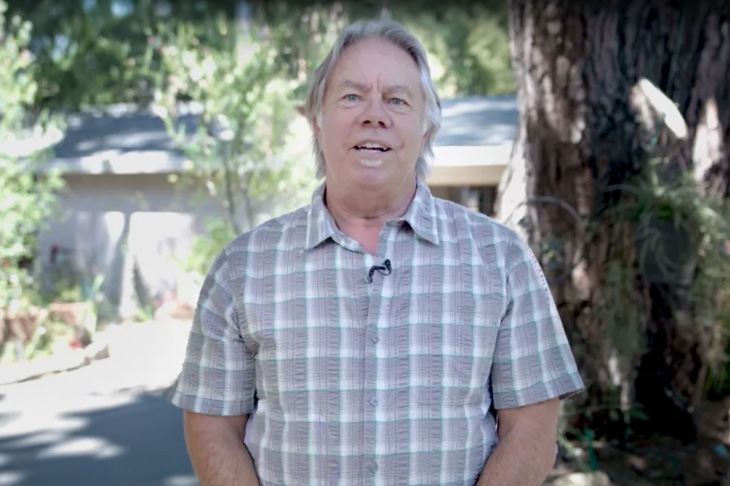
Meet John McCullah
Learn from John McCullah, a CPESC, who brings decades of experience in designing and implementing stream stabilization projects. As a Certified Community College Instructor, he has developed curriculum on erosion control and watershed restoration. Gain exclusive access to his expertise and insights as he shares over a decade of knowledge through engaging video clips and in-depth explanations.
Curriculum
-
1
-
(Included in full purchase)
Principles of ESenSS
-
(Included in full purchase)
Materials - Required Reading
-
(Included in full purchase)
-
2
-
(Included in full purchase)
Rock Vanes
-
(Included in full purchase)
Brush Layering
-
(Included in full purchase)
Veg. Mechanically Stabilized Earth (VMSE)
-
(Included in full purchase)
Vegetated Riprap (Bent Pole Method)
-
(Included in full purchase)
Modified Brush Layering
-
(Included in full purchase)
Live Pole Drain Fascine
-
(Included in full purchase)
Large Woody Debris
-
(Included in full purchase)
Pembina River Summary
-
(Included in full purchase)
-
3
-
(Included in full purchase)
Chena River
-
(Included in full purchase)
Coir Rolls, Bio-D Blocks
-
(Included in full purchase)
Vegetated Sandbags
-
(Included in full purchase)
Chena – After 7 Years
-
(Included in full purchase)
-
4
-
(Included in full purchase)
Willow Creek – Intro
-
(Included in full purchase)
Rock Vanes
-
(Included in full purchase)
Slope Prep
-
(Included in full purchase)
Soil Nailing
-
(Included in full purchase)
Fiber Rolls
-
(Included in full purchase)
Hydromulch
-
(Included in full purchase)
Live Siltation
-
(Included in full purchase)
Gully Repair
-
(Included in full purchase)
Slope Stabilization
-
(Included in full purchase)
Soil Flaps
-
(Included in full purchase)
Willow Creek – Final Discussion
-
(Included in full purchase)
-
5
-
(Included in full purchase)
Alternatives to Rip Rap: Environmentally-Sensitive Stream Stabilization Methods
-
(Included in full purchase)
Student Testimonials
Discover how this course has helped professionals like you enhance their skills and knowledge.
Dirt-Time TV's new erosion & sediment control educational program is a crowning achievement of one of the world's practice-based masters. Technically solid, imminently practical, and always entertaining, John McCullah's online BMP Toolbox is a must for your inbox.
International Erosion Control Association Board of Directors
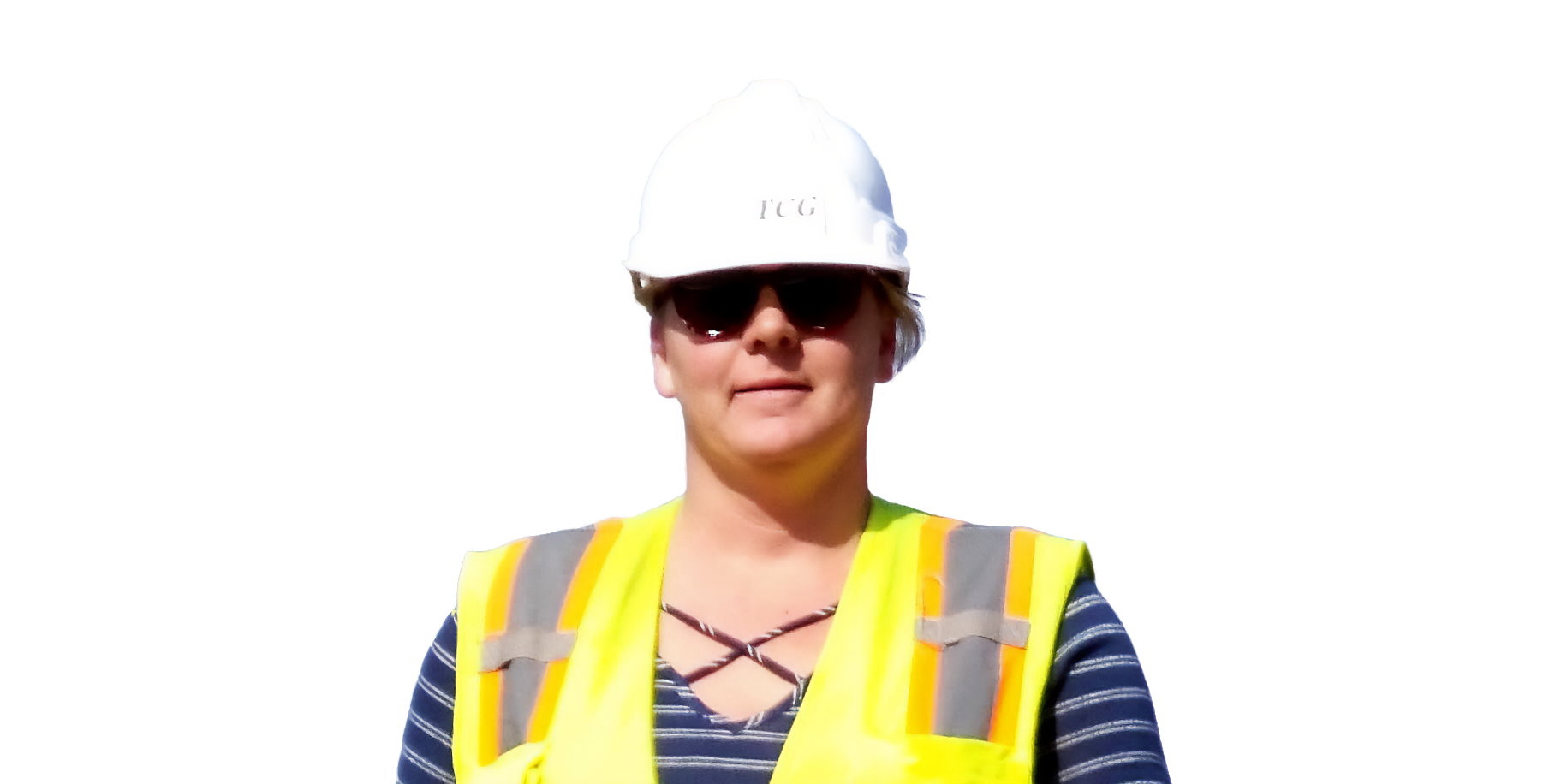
John is very knowledgeable in this field and is considered an expert in erosion and sediment control. His enthusiasm and passion for finding the best erosion control solutions is evident which also made the class fun and exciting. It has been the best class for our inspectors and SWPPP writers.” … "We have attended the BMP Summit along with several of our employees and plan to have staff attend yearly. The hands on training is invaluable. It helps our staff get a better understanding of how BMPs should be installed for the best performance. You get to learn about the right types of erosion and sediment control for the application and then see, touch and even install some of them directly. It combines a classroom workshop with field training.
PE, QSD, - President, Tully Consulting Group
I've had my CPSWQ cert, and QSD/QSP for almost 3.5 years now, and your video course is probably the best informational course on storm water management that I've seen.
CPESS, Arizona
Dirt-Time TV's new erosion & sediment control educational program is a crowning achievement of one of the world's practice-based masters. Technically solid, imminently practical, and always entertaining, John McCullah's online BMP Toolbox is a must for your inbox.
International Erosion Control Association Board of Directors
I've had my CPSWQ cert, and QSD/QSP for almost 3.5 years now, and your video course is probably the best informational course on storm water management that I've seen.
CPESS, Arizona
John is very knowledgeable in this field and is considered an expert in erosion and sediment control. His enthusiasm and passion for finding the best erosion control solutions is evident which also made the class fun and exciting. It has been the best class for our inspectors and SWPPP writers.” … "We have attended the BMP Summit along with several of our employees and plan to have staff attend yearly. The hands on training is invaluable. It helps our staff get a better understanding of how BMPs should be installed for the best performance. You get to learn about the right types of erosion and sediment control for the application and then see, touch and even install some of them directly. It combines a classroom workshop with field training.
PE, QSD, - President, Tully Consulting Group
Ready to Transform Stream Stabilization?
Enroll now to access exclusive content, insights, and practical tips from John McCullah.
$399.00